SOFTWARE · 11th Sep 2025
IoT integration solutions: Connecting Smart Devices and Systems
Unlock the power of IoT by seamlessly connecting smart devices and business systems—turning raw data into automation, insights, and efficiency.

By 2025, more than 27 billion IoT devices will connect to networks. This will change how businesses operate and open up new opportunities for efficiency. Still, many organizations find it difficult to link these smart devices with their existing systems. As a result, they miss out on significant cost savings and a competitive edge. Seamlessly connecting devices is crucial for data flow and automation, both of which are essential for successful IoT.
IoT integration solutions act as a bridge, linking isolated smart devices with unified business intelligence. When executed properly, it transforms raw sensor data into useful insights. These insights can prevent equipment failures, optimize supply chains, and improve customer experiences. IoT integration solutions plays a vital role in boosting efficiency across business operations. Real-time data synchronization across connected systems is often necessary to avoid mistakes in decision-making, ensuring insights are precise and timely. However, the road to effective integration presents technical challenges, security issues, and scalability needs. Read this blog to know about the top IoT integration solutions.
What is IoT Integration?
IoT integration solutions connect smart devices to existing business applications, databases, and cloud platforms for seamless data exchange. This process converts isolated IoT devices into intelligent ecosystems where information flows between physical objects and digital systems.
However, connecting systems and devices from various vendors can complicate the integration process. It often involves merging different systems with their unique standards and protocols. This requires careful planning and execution to guarantee compatibility and functionality.
Solutions for Overcoming IoT Data Integration Challenges
There are many advantages to adopting an IoT platform now. While challenges related to data integration exist, they shouldn't deter you. There is too much to gain from the improved efficiency and strong data analytics offered by the IoT revolution. Businesses can take several steps to tackle IoT data integration challenges, including.
Plan a Modern Data Integration Strategy. Effective data integration begins with a solid strategy. Start by identifying the integration needs within your company's ecosystem. What data sources do you currently have? Which systems and devices do you want to gather data from? Outline all the touchpoints in your data pipeline and plan how they can be consolidated into a central location. Once you fully understand your requirements, you can plan for the resources needed to execute the strategy.
Continuous performance optimization. Instead of waiting for scheduled maintenance or facing unexpected breakdowns, AIoT systems constantly optimize performance in real-time.
Set Data Quality Standards. A crucial aspect of data management is establishing quality standards. Create a team that can define clear data quality requirements. This should include the formats, structures, and delivery methods for the data to integrate smoothly into your overall strategy.
Improved decision-making. AI tools for hardware design can handle large amounts of data from IoT devices, providing valuable insights that enhance decision-making. In healthcare, for example, AI can analyze patient data from wearable devices to detect potential health issues early. In agriculture, AI can optimize crop yields by analyzing sensor data.
Replace Legacy Systems. AI enhances safety and security in many areas. In smart cities, for example, AI analyzes data from traffic sensors and cameras to improve traffic flow and reduce accidents. In industrial settings, AI monitors equipment to identify potential safety problems before they escalate. Similarly, in cybersecurity, AI can evaluate network traffic to spot potential threats.
Streamlined real-time monitoring. Legacy systems often depend on outdated protocols or programming languages, making data extraction difficult. Modern IoT systems may not work well with these older stacks, creating obstacles for IoT device integration. Although modern alternatives are available, replacing essential legacy systems can be costly and disrupt core business processes.
Business process integration. Companies use various systems. For example, an airline might have one system for reservations and another for baggage handling. A financial service provider may have one channel for stock trades and a different one for retirement account management. IoT and user smartphones must move fluidly between these options. Gaps caused by incomplete IoT integration can negatively affect user and customer experiences.
Research Communication Protocols. IoT devices communicate with each other and share data through various protocols. You'll either need to select one standard or prepare to support multiple protocols. Whatever choice you make should align with your data integration strategy and quality standards. Be mindful of any network requirements as well. This could mean upgrading your corporate LAN, WAN, or even VPN for remote access.
Unlocking Business Potential with IoT Integration Solutions
As connected IoT devices become increasingly common, their effective integration can transform the way businesses operate. IoT integration solutions empower organizations to leverage real-time data from devices, enabling smarter decision-making, cost reductions, and significant improvements in efficiency.
By connecting IoT devices with existing applications and databases, businesses can achieve:
Automation of routine processes
Enhanced risk management through predictive insights
Superior customer experiences driven by personalization and responsiveness
For successful IoT integration, choosing the right platform is critical. Solutions like Avantari streamline the process by simplifying complex integrations, supporting real-time data exchange, and ensuring seamless connectivity across all systems.
With the right IoT integration strategy, companies can unlock new opportunities, stay competitive, and future-proof their operations in the digital era.
KEEP READING
SOFTWARE
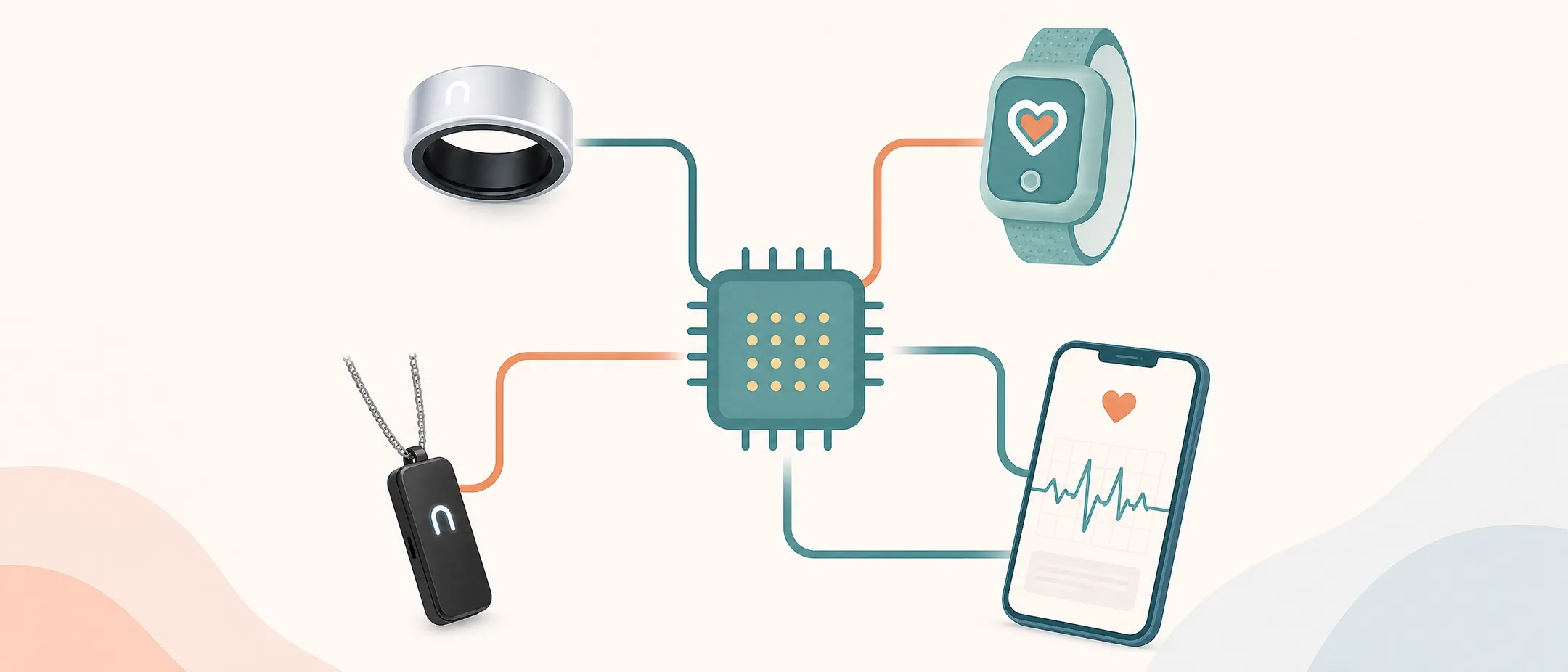
How Wearable App Development Improves Medical Care and Expands Access
A builder's guide to healthcare wearable applications — from sensor selection and firmware architecture to EHR integration, compliance, and clinical deployment
SOFTWARE
Native Apps Powered by AI, IoT & AR/VR for Smart Products
Discover how Avantari builds intelligent native apps by integrating AI, IoT, Bluetooth, and AR/VR to create connected, future-ready digital experiences.

SOFTWARE
How HR Tech Became Child's Play
Go behind the scenes of 'Evolve or Fossilise,' the interactive game that made Darwinbox a hit at HR Tech Las Vegas. See how we did it
NEWSLETTER
We write when we’ve actually built something.