Medical wearable development
It has to work. It can still be beautiful.
Sensing, electronics and embedded systems with the comfort and form people will want to wear.
Book a 20-minute build review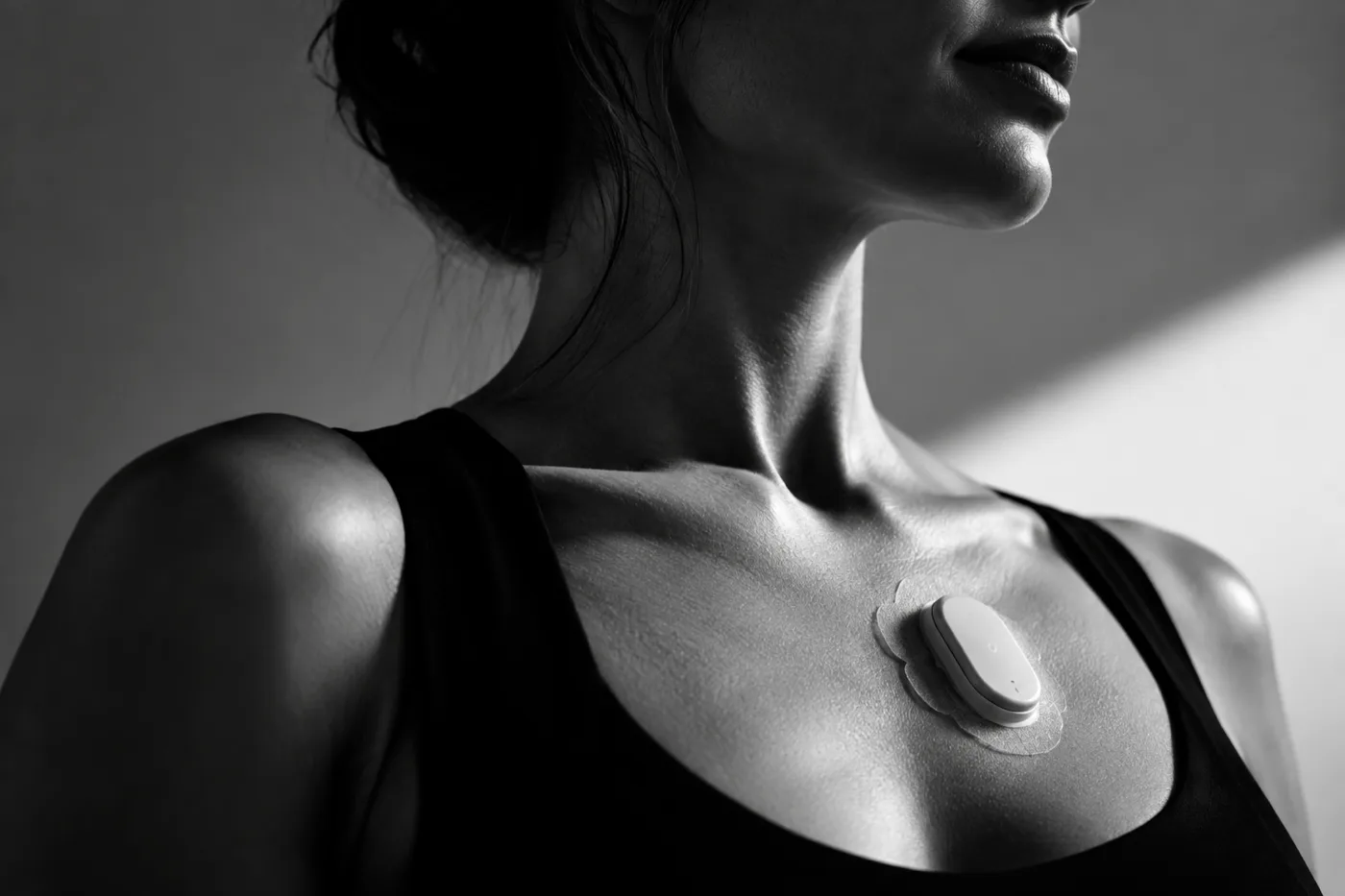
Active since 2014
Twelve years, 12 published patents
Design recognition
Red Dot and iF Design
One connected team
~40 engineers, designers and scientists
Why body-worn products are different
The body changes the brief.
A wearable asks more than whether the electronics work. Fit, form and routine shape the experience after it leaves the bench.
Signal + fit
Placement, movement and contact affect the signal a device can capture.
Power + form
Battery and charging choices affect size, weight and how a device is worn.
Function + daily use
Comfort, interaction and appearance matter beyond the first demonstration.
Selected work
Protection, sensing and everyday wear.
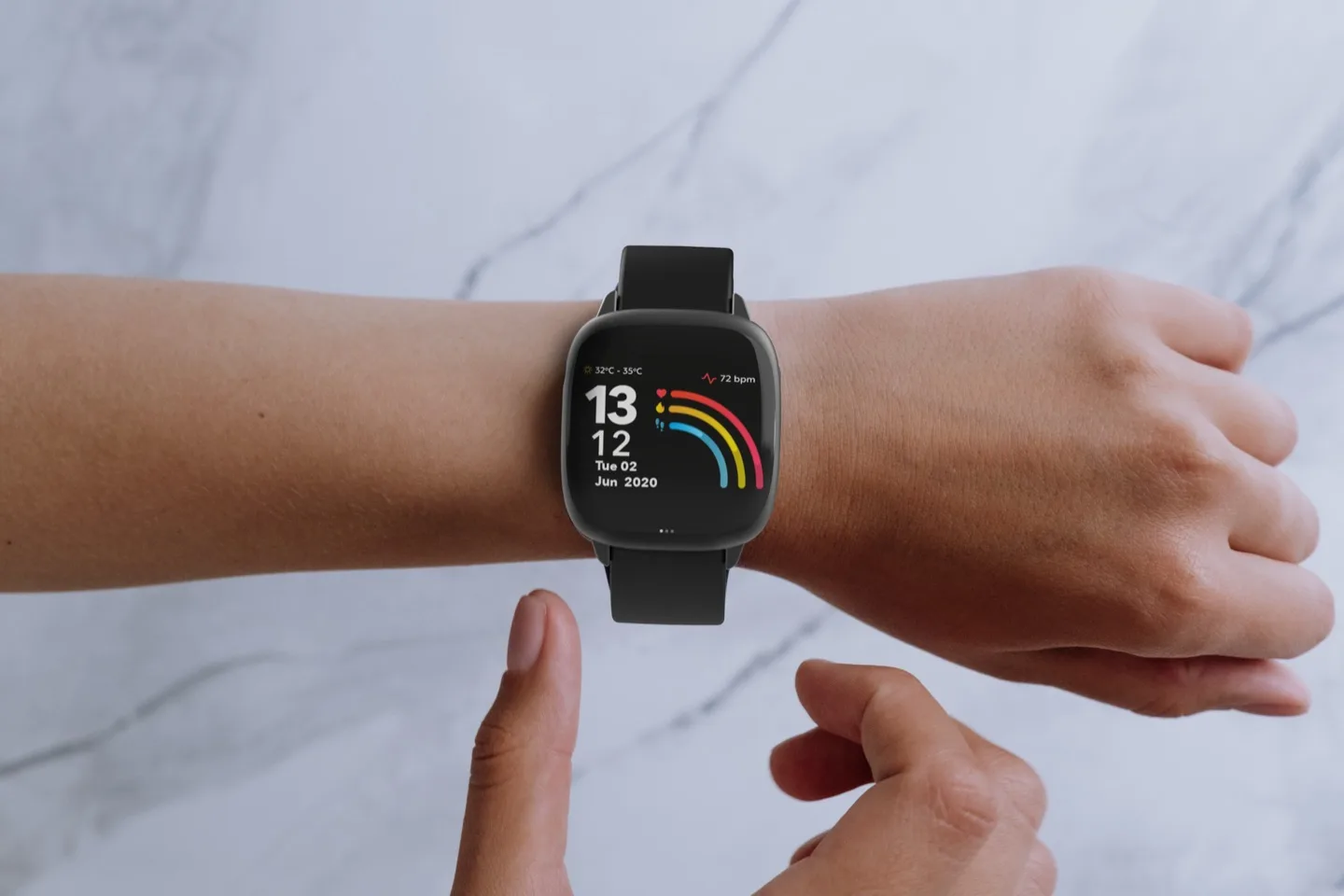
Featured — EIN
EIN
Wrist-based cardiovascular sensing
What had to work
A usable signal on a moving wrist — contact, motion and power in one wearable.
Avantari owned
Industrial design, electronics and embedded systems.
Project outcome
Bench-to-wearable sensing, not a module on a strap.
Qualcomm Design in India Challenge.
Sensing-enabled knee airbag
What had to work
Protection electronics that disappear into something people already wear.
Avantari owned
Product strategy, industrial design and engineering.
Project outcome
A wearable system, not a device bolted onto a brace.
First wearable system in five months.
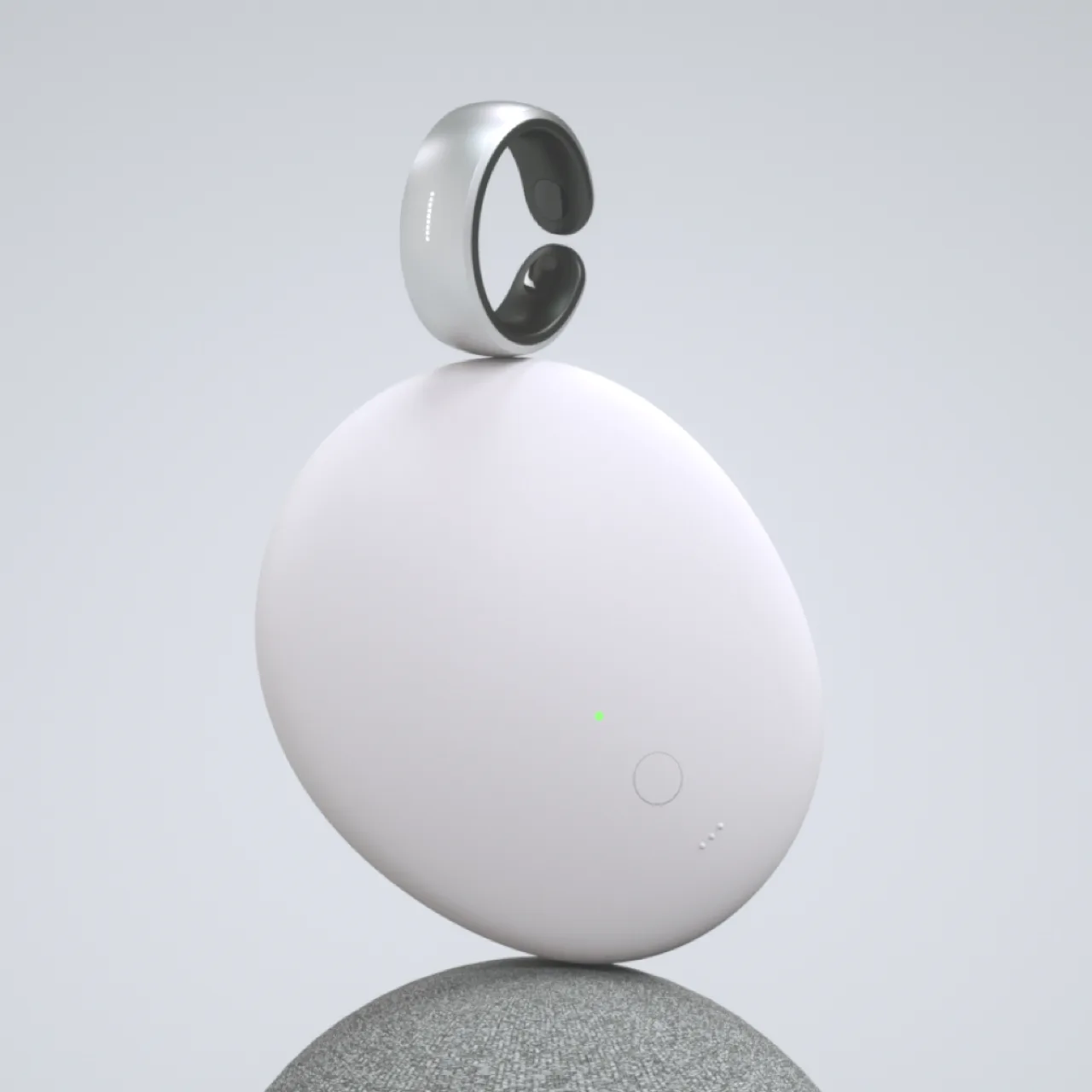
A ring built around on-body sensing
What had to work
Stable contact, all-day power and a form people forget they are wearing.
Avantari owned
Industrial design, electronics and sensor development.
Project outcome
Sensing constrained by a ring — size, battery and skin contact.
Red Dot Product Design.
How a medical product moves forward
Five stages. A clear outcome from each.
The plan stays documented. Each stage creates what the next decision needs.
01
ARCHITECTURE
You leave with
A shared product architecture, requirements and risk priorities.
02
PROVE
You leave with
A focused proof addressing the hardest assumption.
03
INTEGRATE
You leave with
Device, embedded software and companion experience working as one system.
04
VERIFY
You leave with
A test plan, known issues and documented design changes.
05
PREPARE
You leave with
A defined path into manufacturing preparation and production support.
The full product-development method
Explore how Avantari builds products.
Why Avantari
Consumer-tech instinct. Medical-product discipline.
Wearable experience
Our work spans body-worn protection, wrist sensing and rings—different products, all designed around the person.
Design with engineering
Industrial design, electronics and embedded teams resolve the trade-offs together.
Everyday appeal
Comfort, interaction and appearance are developed with the same attention as the technology inside.
Beyond the prototype
Design changes stay documented, with validation and manufacturing preparation in view.
Quality system
We work inside your QMS and deliver design-control records in your format, to ISO 13485 practice.
We do
- Product architecture, industrial design and electronics
- Embedded firmware and the companion experience
- Prototypes you can wear and test
- A design package for manufacturing and your QMS
We don’t
- Clinical trials
- Regulatory filings or product certification