PROCESS · 4th April 2026
Hardware-Software Co-Design: Why IoT Products Need Integrated Development
In the early days of embedded systems, product development often followed a simple sequence: build the hardware first, and once the physical device was ready, develop the software that runs on top of it. That model worked when devices were relatively simple.
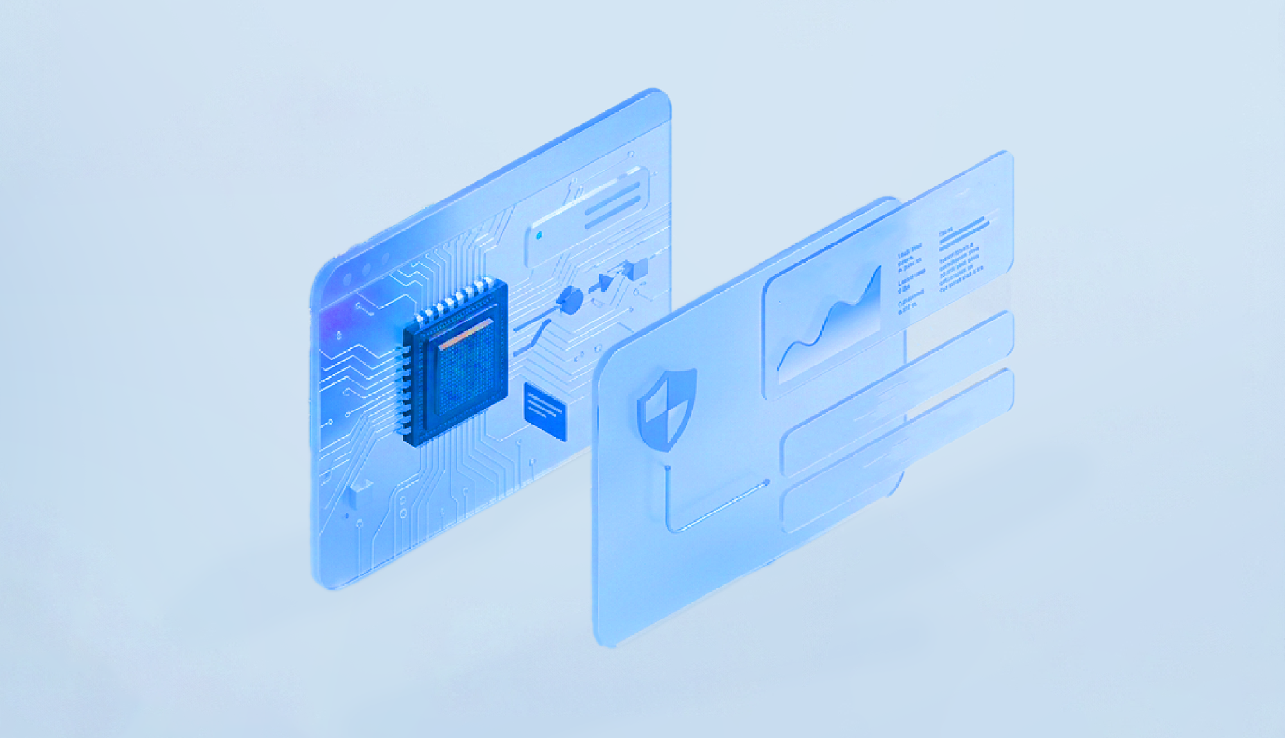
Hardware and Software Are No Longer Separate Worlds
In the early days of embedded systems, product development often followed a simple sequence: build the hardware first, and once the physical device was ready, develop the software that runs on top of it. That model worked when devices were relatively simple.
Today's intelligent hardware is very different.
Modern IoT products rely on tightly integrated systems that combine sensors, connectivity, embedded software, cloud services, and increasingly, AI-driven capabilities. In such environments, treating hardware and software as separate development tracks can create serious problems.
Many IoT startups discover this the hard way. When teams work in silos—hardware on one side and software on the other—the final product often suffers from compatibility issues, performance limitations, and expensive redesign cycles.
This is why more companies are shifting toward hardware–software co-design, a development approach where both disciplines evolve together from the very beginning.
Why Silos Cause Problems in IoT Development
When hardware and software teams operate independently, critical assumptions often go unchallenged until it is too late in the development process.
One common issue is a feature–hardware mismatch. Software teams may design features that require more processing power, memory, or sensor data than the selected hardware can realistically support. By the time the problem becomes obvious, the hardware may already be locked into production prototypes.
Another challenge is performance inefficiency. Poor coordination between firmware, drivers, and hardware components can introduce latency, increase power consumption, or reduce battery life—especially in devices expected to operate continuously.
Development timelines also tend to stretch longer. Integration problems discovered late in the cycle often require multiple redesigns, pushing product launches further out and increasing development costs.
Ultimately, these technical misalignments affect the end user. A device with poorly integrated hardware and software often feels unreliable or slow, which makes it difficult to gain traction in the market.
What Hardware–Software Co-Design Looks Like in Practice
Hardware–software co-design takes a different approach. Instead of building components in isolation, engineering teams collaborate from the earliest concept stage.
Design decisions in hardware influence the software architecture, and software requirements inform hardware selection. This continuous feedback loop helps prevent many of the mismatches that occur in siloed development environments.
A typical co-design process includes several important practices.
Parallel development. Hardware engineers and software developers work simultaneously rather than sequentially, sharing progress and constraints throughout the process.
Shared performance targets. Teams jointly define metrics such as power budgets, processing requirements, memory limits, and communication protocols.
Early prototyping. Simulation tools, development boards, and rapid prototypes allow teams to test how hardware and software interact long before final production hardware exists.
Iterative refinement. As the product evolves, both sides adjust designs to maintain optimal performance and efficiency.
Why Co-Design Matters for Intelligent Hardware
For modern IoT devices—especially those incorporating machine learning, advanced sensing, or edge analytics—the benefits of co-design are significant.
First, development cycles become shorter. When integration issues are identified early, teams avoid costly late-stage redesigns.
Second, the overall system performs better. Hardware resources can be allocated more effectively when the software requirements are clearly understood from the start.
Third, costs tend to decrease over time. Fewer hardware revisions, more efficient firmware, and optimized power management all contribute to a more economical product.
Perhaps most importantly, co-design makes it easier to build innovative features. When engineers understand both sides of the system architecture, they can design capabilities that push beyond what either discipline could achieve independently.
A Practical Approach to Integrated Development
Organizations that specialize in intelligent hardware often build multidisciplinary teams that bring together expertise in embedded systems, AI, electronics design, and software engineering.
This integrated structure helps ensure that decisions about processors, sensors, connectivity modules, and firmware architecture are made with a complete view of the system.
Iterative development cycles—often influenced by agile methods—allow hardware prototypes and software builds to evolve together. Simulation tools and testing environments help validate how different components interact before the product reaches full manufacturing.
The goal is not simply to build hardware and software that function independently, but to design a cohesive system where each layer strengthens the others.
Building Smarter IoT Systems
As IoT products become more sophisticated, the boundaries between hardware and software continue to blur. Sensors generate large volumes of data, embedded processors run increasingly complex algorithms, and cloud platforms extend device capabilities beyond the edge.
In this environment, treating hardware and software as separate disciplines is no longer practical.
Startups that succeed in the IoT space tend to recognize this early. By adopting a co-design mindset, they create systems that are more efficient, more reliable, and easier to scale as the product evolves.
Ultimately, the most successful intelligent devices are not defined by their hardware alone or their software alone—but by how well both are designed to work together.
KEEP READING

PROCESS
How to Choose a Medical Device Development Partner: 9 Questions to Ask Before You Sign
Nine questions to ask a medical device development partner before you sign: experience, quality system, firmware, cybersecurity, manufacturing, IP, cost.

PROCESS
How HIPAA Relates to Healthcare Laws and Regulations Across Canada, the UK, Australia, and MENA
A practical compliance guide for medical device builders, health app founders, and digital health teams expanding into global markets

PROCESS
IoT Testing Guide
A practical IoT testing guide covering firmware testing, BLE protocol validation, OTA update testing, security testing, and performance testing for connected devices. Written by hardware engineers with 12+ years of IoT product experience.
NEWSLETTER
We write when we’ve actually built something.